Finding Treasure Hunts in Damaged Packaging: A Buyer's Advantage

Every collector eventually learns a quiet truth: the treasure inside a Hot Wheels blister does not care what the cardboard looks like. A crushed corner, a bent bubble, a scuffed card front — none of it changes the casting sealed underneath. And yet that cosmetic damage scares off a huge chunk of buyers, which is exactly why savvy hunters love it. Damaged packaging is one of the last real bargains in a hobby where prices climb every year.
Why Damaged Cards Get Ignored
Most collectors chase the mint card. They want crisp corners, a clear unbent bubble, and a back that looks showroom fresh. That demand for perfection is real and it drives prices, but it also creates a blind spot. The moment a card shows a crease or a dinged corner, a large share of buyers mentally file it under "damaged" and move on, even when the car inside is flawless.
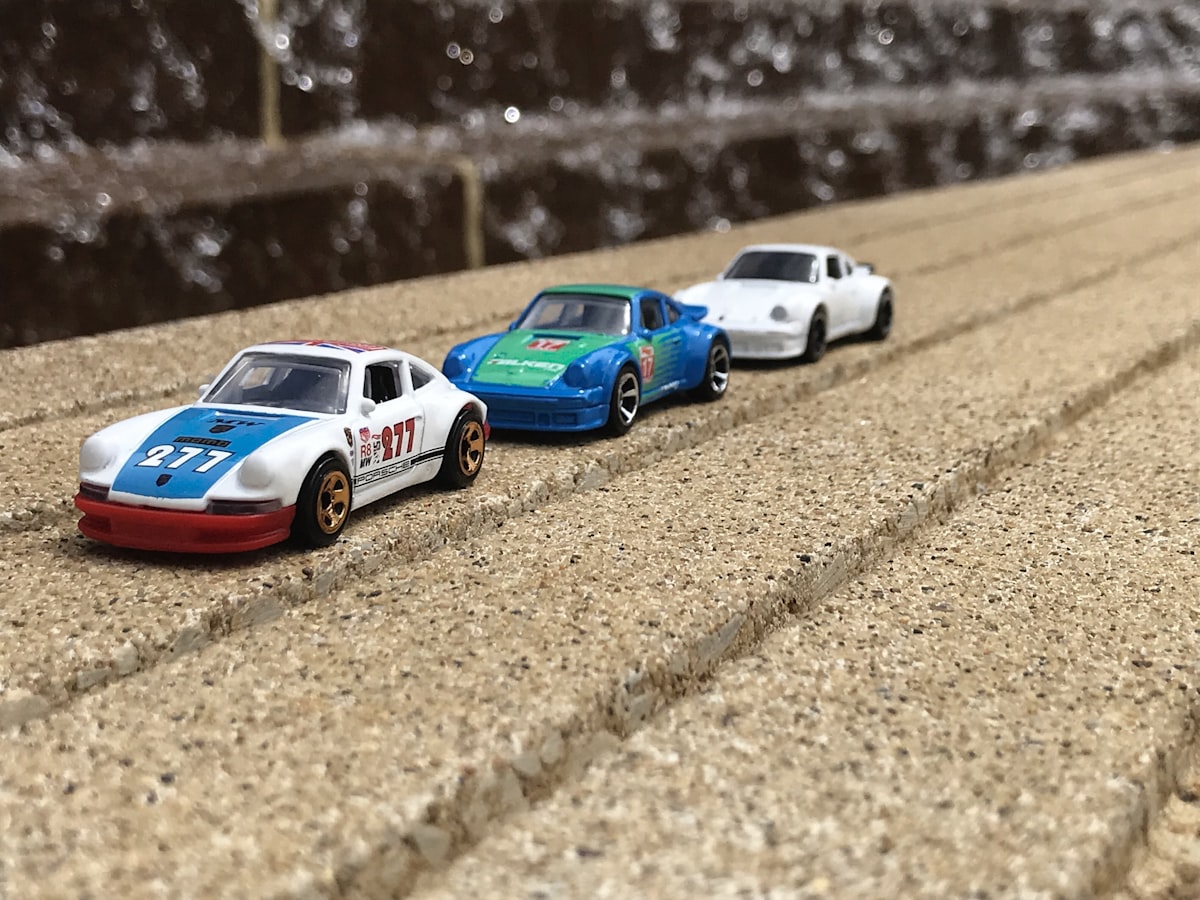
That reflex is your opening. A Treasure Hunt or Super Treasure Hunt on a battered card often sells for a fraction of what the same casting commands on a pristine one. If you are a collector who opens your cars, or someone who just wants the diecast for a display or a custom, the packaging premium is money you never needed to spend. You are effectively getting paid to ignore cosmetic flaws that will end up in the recycling bin anyway.
Where the Bargains Hide
Damaged-packaging deals show up in predictable places. Clearance pegs and dump bins at big-box stores are full of cards that got crushed in shipping or knocked around by other shoppers. End-of-aisle overflow boxes, dented-can style discount racks, and the bottom of restock carts are all worth a look. Online, search listings specifically for terms like "card damage," "bent bubble," "not mint," or "cracked blister" — sellers who disclose flaws honestly usually price accordingly.
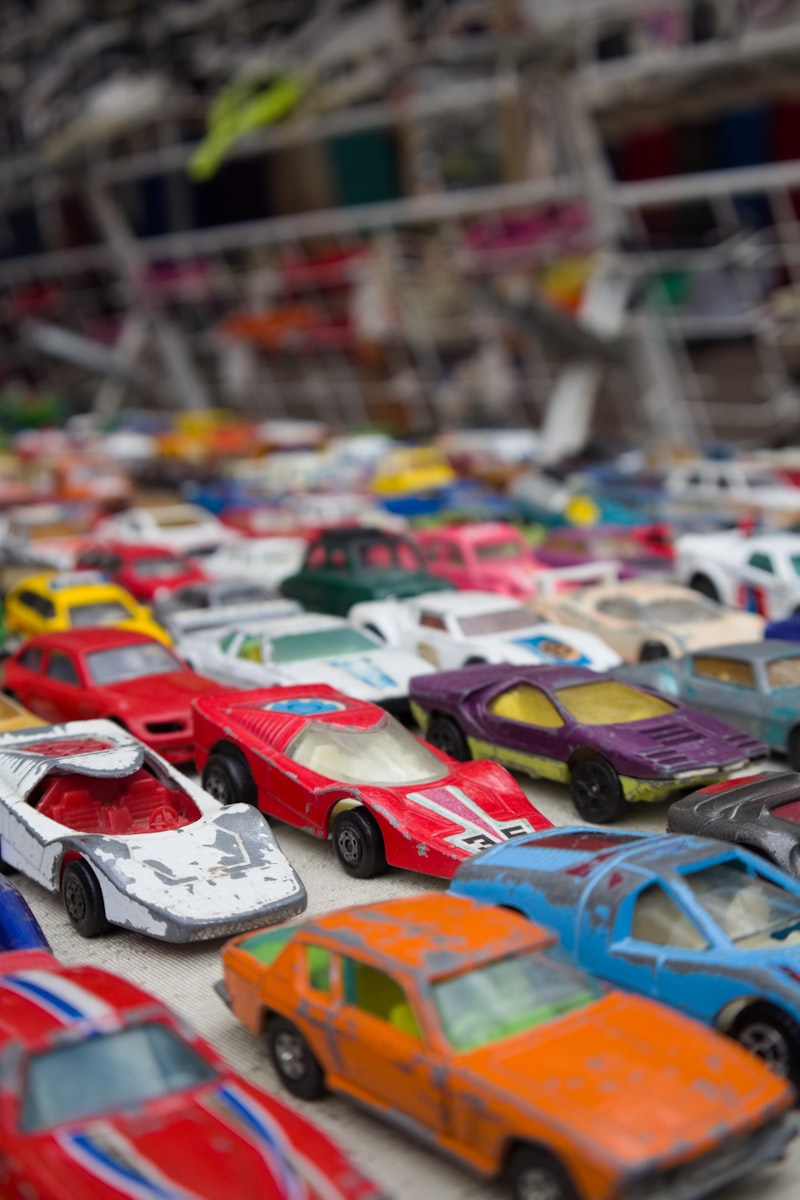
Estate sales, flea markets, and garage sales are gold mines too. People clearing out a relative's collection rarely know a rough-looking card might hide a chase car. The same goes for lots sold "as-is" or bundled together. When a seller groups a pile of beat-up cards for one flat price, the odds that something valuable is buried in there go up fast, and nobody else is bidding because the photos look messy.
Inspect Before You Buy
The bargain only works if the car inside is actually good, so inspection is everything. In person, look past the card and study the casting itself. Check the paint for chips, the windows for cracks, and the wheels to make sure none are missing or badly warped. A bent card is fine. A car that rattles loose inside a split bubble might have scratches from bouncing around, so weigh that before you pay.

Buying online takes more care. Zoom into every photo, and if the car is hidden behind glare or a bad angle, ask the seller for a clear shot of the casting. Read the description twice — "card damage only" is very different from "car has wheel rub." The whole advantage of this strategy is that you are trading cosmetic packaging flaws for a lower price, not inheriting a damaged car. Confirm which one you are actually getting.
When Packaging Actually Matters
There is one honest caveat. If your goal is to keep cars carded and resell them later as mint investment pieces, packaging condition is part of the value, and a damaged card genuinely costs you. This strategy is not for the sealed-collection purist chasing top-dollar resale. It shines for openers, customizers, display builders, and anyone who simply wants the casting in hand for less. Know which kind of collector you are before you buy, and the math becomes obvious.
The bottom line: a scuffed card is not a flaw, it is a discount. Learn to look past the cardboard and you will build a deeper collection for less money than the mint-card crowd ever spends.
Want to skip the damaged-card gamble entirely? Every casting from a Wheels & Deals machine at Woodfield Mall, Gurnee Mills, or Fox Valley comes fresh, and you can hunt online anytime at getwheelsanddeals.com.
More from Treasure Hunts

Treasure Hunt Release Dates 2026: When to Hunt and Where to Look
Hot Wheels drops don't land on a public calendar, but the pattern is trackable. Here's how to build your own 2026 release schedule and know a fresh case when you see one.
Jul 29, 2026The TH Code: Understanding Hot Wheels Base Markings and Dates
Flip any Hot Wheels over and the base reveals its secrets. Here's how to read casting dates, country codes, and base markings like a pro.
Jun 17, 2026Treasure Hunt Color Variations: Spotting the Rarest Paint Jobs
The same treasure hunt casting can be worth $5 or $500 depending on the paint. Here is how collectors spot the rare color variations before they slip by.
May 27, 2026